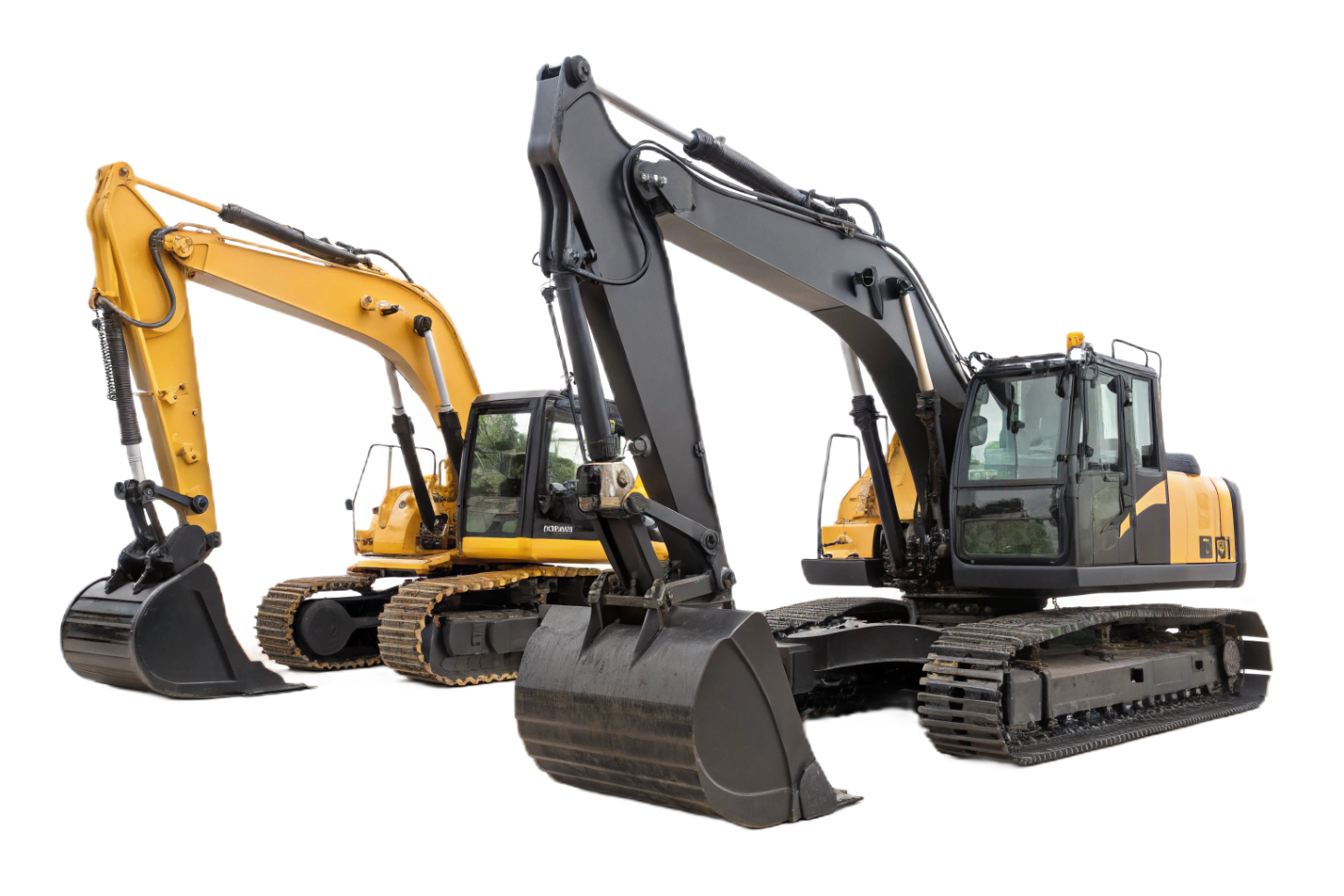
For many buyers, excavator working hours are often treated as the most important indicator of machine condition.
Lower hours are commonly associated with less wear, longer remaining life, and lower maintenance risk.
However, in the global used excavator market, working hours alone are not a reliable measure of real condition.
In some cases, they can even be misleading.
Understanding how to correctly interpret excavator hours — and how to verify them — is essential for avoiding
unexpected repair costs and operational downtime after delivery.
1. Why Excavator Working Hours Do Not Tell the Full Story
An hour meter records how long an excavator has been operating, but it does not record
how the machine was used.
Two excavators with the same number of hours can be in completely different condition.
A machine used for light loading or landscaping may experience minimal stress,
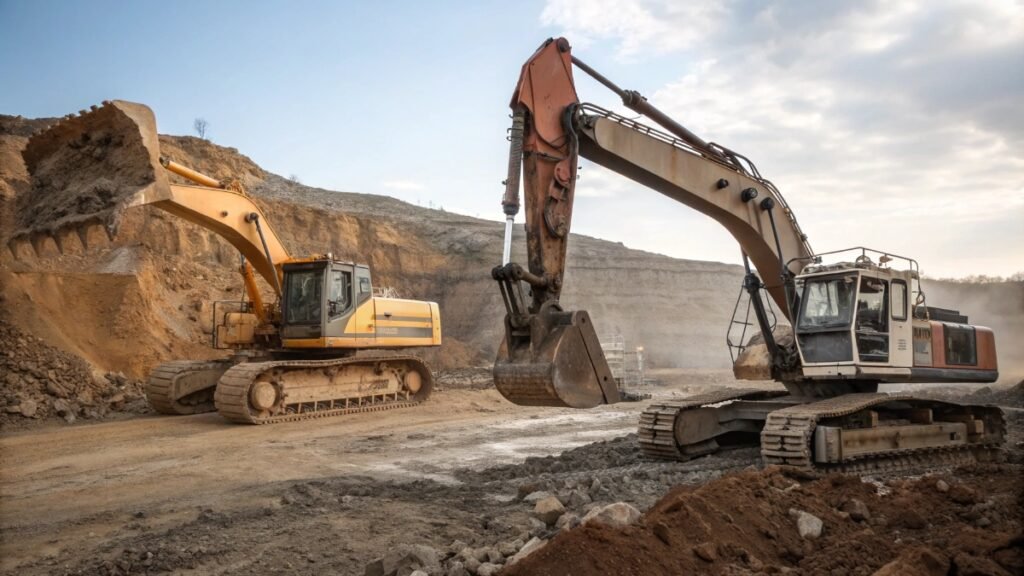
while another used continuously in mining, demolition, or hard rock environments
can suffer severe wear in a much shorter time.
Professional buyers treat working hours as a reference point, not as a final judgment.
They always compare the number with physical wear and performance indicators.
2. Common Reasons Excavator Hours Become Unreliable
In the used equipment market, there are several common situations where hour readings may not reflect real usage:
- Hour meters replaced after cab or electrical repairs
- Imported machines with missing service records
- Refurbished excavators with adjusted or reset hour displays
- Long idle periods that distort actual component wear
These factors make it risky to judge machine value based on hours alone,
especially when buying overseas without physical inspection.
3. Physical Wear That Reveals Real Operating Time
Even when an hour meter shows a low number, real operating time leaves clear physical evidence.
Experienced inspectors focus on components that are difficult and expensive to restore cosmetically.
Key inspection areas include:
- Boom, arm, and bucket pin and bushing wear
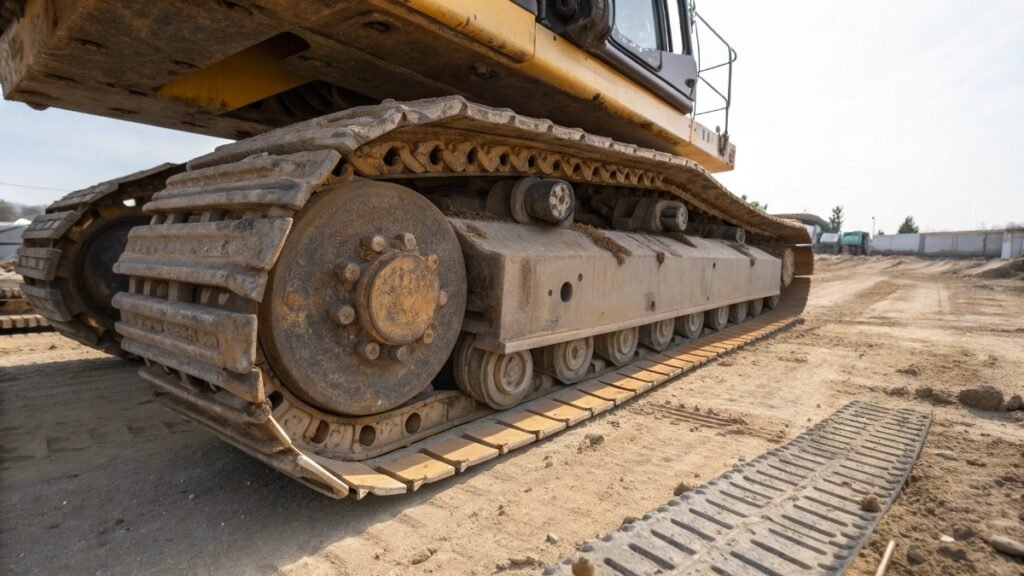
- Undercarriage components such as track chains, rollers, and sprockets
- Hydraulic cylinder rods and seal condition
- Cab interior wear on pedals, joysticks, and seats
If these areas show heavy wear that does not match the displayed hours,
it is a strong indication that the hour reading may not be accurate.
4. Engine and Hydraulic Performance Matter More Than the Number
Working hours do not directly measure engine or hydraulic health.
What truly determines usability and remaining value is how well these systems perform today.
Buyers should pay close attention to:
- Cold-start behavior and exhaust condition
- Abnormal engine noise or vibration
- Hydraulic response speed and stability under load
- Oil condition, pressure consistency, and leakage patterns
In many cases, an excavator with slightly higher hours but strong engine compression
and stable hydraulics is a safer investment than a low-hour machine with hidden problems.
5. Why Refurbished Excavators Require Extra Caution When Evaluating Hours
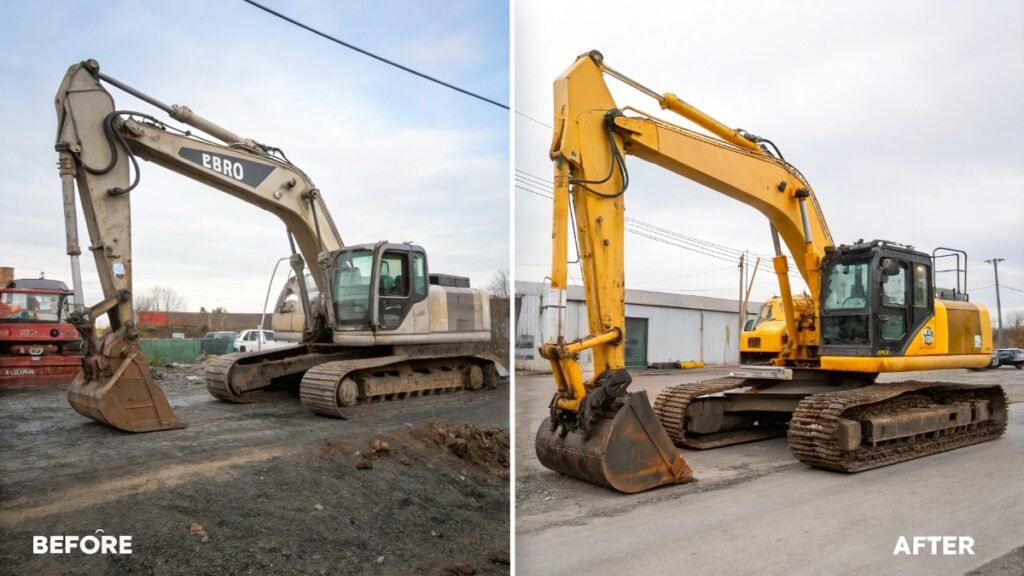
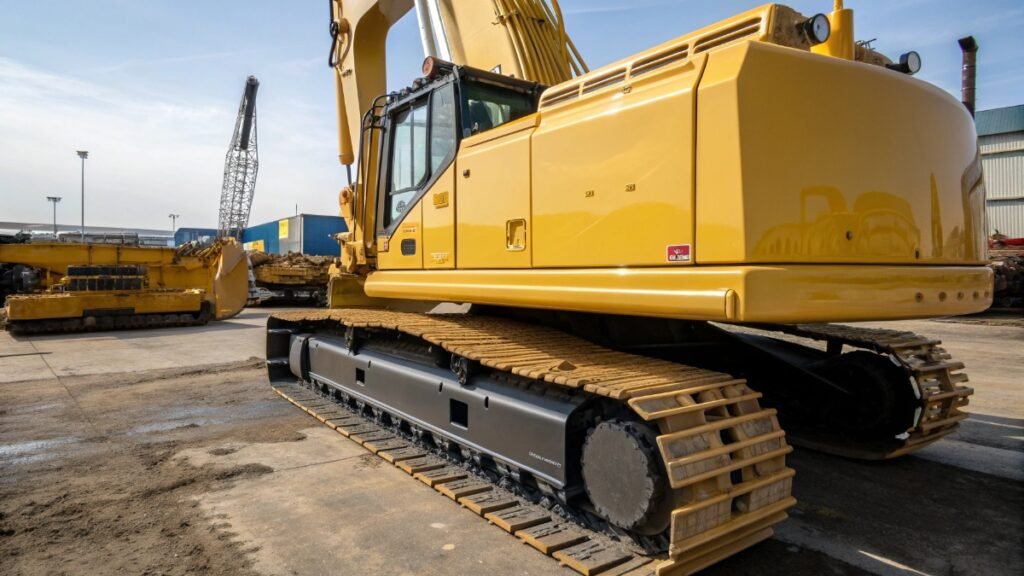
Refurbished excavators often present fresh paint, clean components, and lower displayed hours,
which can be appealing to buyers.
However, cosmetic refurbishment can remove natural wear indicators that help verify real usage.
This makes it more difficult to judge whether the hour reading aligns with actual machine condition.
Refurbished machines are not necessarily a bad choice,
but they require higher transparency, stronger documentation,
and more detailed inspection information from the supplier.
6. How DZHMACHINE Helps Buyers Reduce Hour-Related Risk
At DZHMACHINE, we understand that overseas buyers often cannot inspect machines in person.
For this reason, we focus on condition-based evaluation rather than hour numbers alone.
Our process includes:
- Comparing wear level with displayed working hours
- Providing detailed photos and videos of key components
- Explaining real working conditions and previous usage
- Offering both original-condition and professionally refurbished excavators
Our objective is to help buyers assess real remaining value and operational reliability,
not just rely on a number shown on a meter.
Conclusion: Trust Condition, Not Just the Hour Meter
Excavator working hours are an important reference,
but they should never be used as the sole basis for a purchasing decision.
Real machine value depends on usage history, physical wear, engine and hydraulic performance,
and — most importantly — the transparency of the supplier.
For overseas buyers, choosing a professional supplier who focuses on real condition
is often more important than choosing the lowest-hour machine.
Looking for Used Excavators With Verified Condition?
If you want to reduce risk, avoid misleading hour claims,
and source machines suitable for real working conditions,
working with an experienced supplier makes a measurable difference.
Contact DZHMACHINE to review available stock,
receive detailed inspection documentation,
and get professional recommendations tailored to your market and project needs.