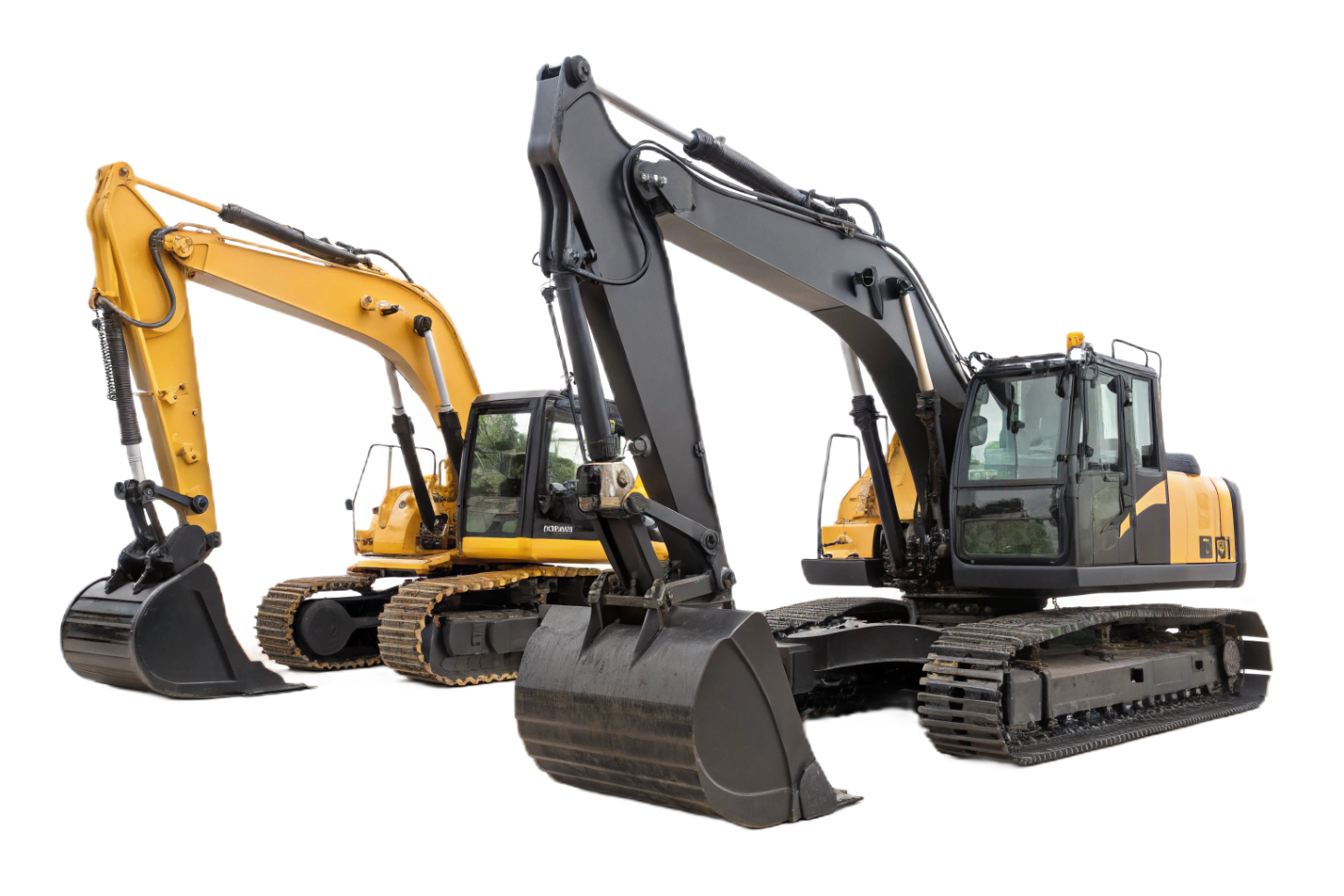
Choosing the right excavator is one of the most important decisions for construction contractors, earthwork companies, and equipment dealers. A suitable machine can improve efficiency, reduce fuel consumption, and extend equipment lifespan. This guide expands on every essential factor and provides action steps to help you confidently evaluate any excavator.
📌 1. Define Your Project Needs
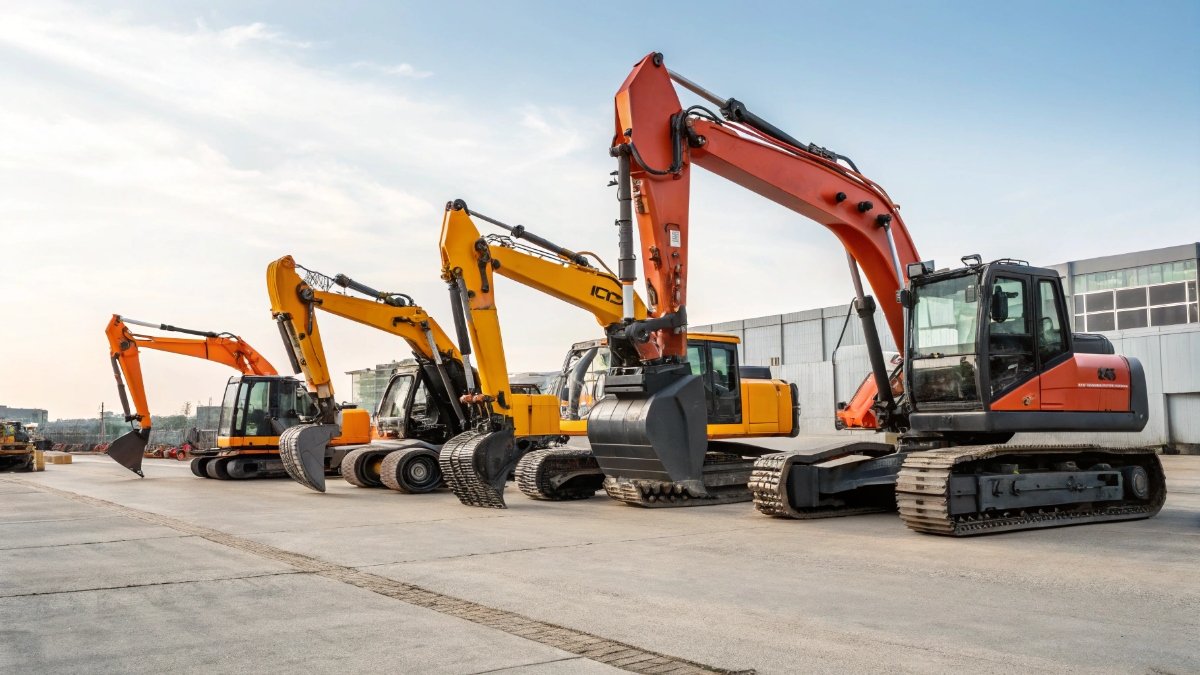
Before looking at specifications or brands, begin by defining your job requirements. Every project has unique constraints, and choosing an excavator that fits the environment and workload ensures productivity and safety.
What to Consider
- Project type: trenching, grading, demolition, mining, landscaping
- Digging depth and reach requirements
- Material type: soil, rock, clay, mixed material
- Site space constraints (urban vs open area)
- Mobility needs (static site vs frequent relocation)
Action Items
- Make a list of primary tasks the excavator will perform.
- Measure required dig depth, reach, and lifting needs.
- Evaluate soil condition before choosing the undercarriage type.
- Confirm whether transportation regulations require weight limitations.
📌 2. Choose the Right Excavator Size
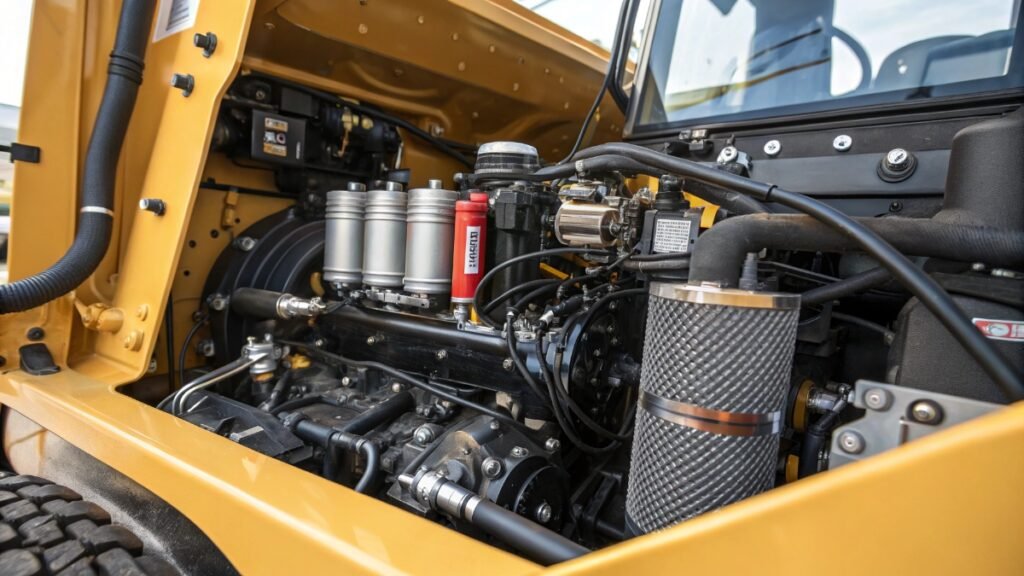
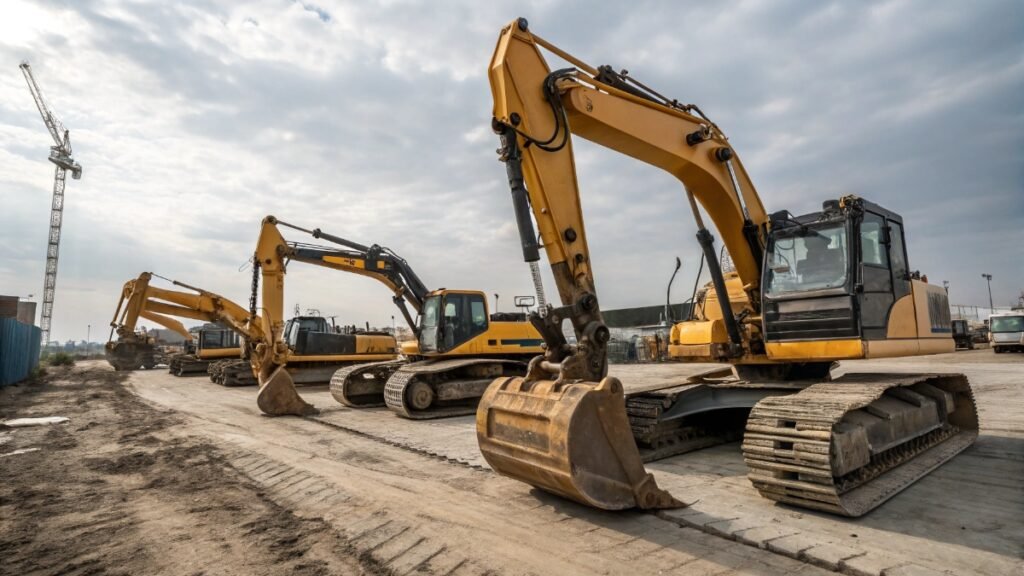
Excavators come in multiple classes: mini, compact, medium, and large. Selecting the correct size is the foundation of efficiency and cost control.
Common Excavator Classes
- Mini / Compact (0.8–6 tons): Landscaping, tight urban work, small trenching jobs.
- Medium (6–30 tons): General construction, earthmoving, roadwork.
- Large (30–90+ tons): Mining, heavy-duty excavation, large-scale earthworks.
Key Specs to Compare
- Operating weight
- Bucket capacity
- Maximum dig depth
- Tail swing radius (zero / reduced / standard)
Action Items
- Match the excavator tonnage to your heaviest lift requirements.
- Choose a short-tail excavator for confined spaces.
- Ensure machine size matches local transport limitations.
📌 3. Evaluate Engine & Hydraulic Performance
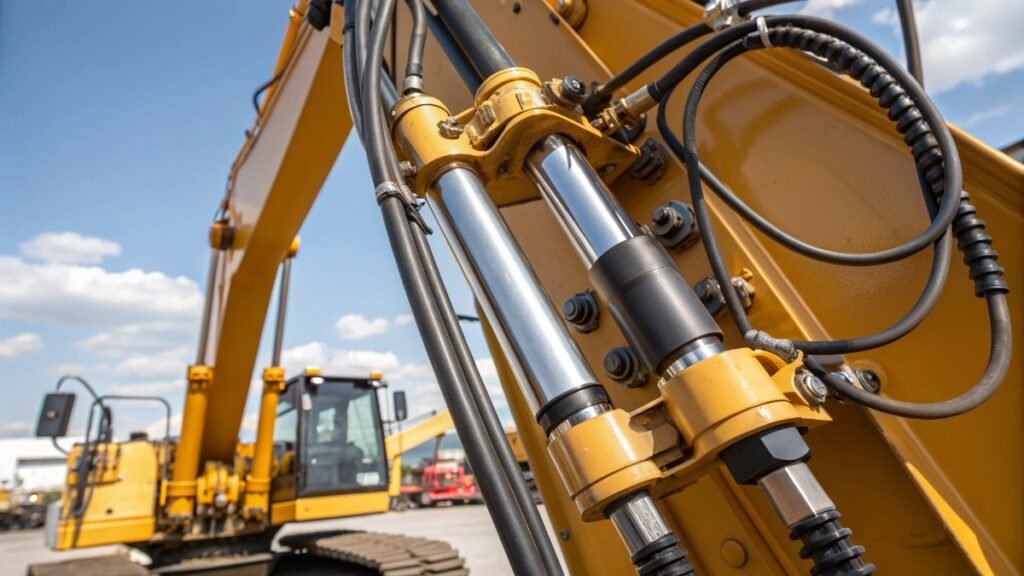
The engine and hydraulic system determine overall machine efficiency, digging power, and attachment performance.
What to Examine
- Engine power & torque
- Hydraulic pump flow & pressure
- Hydraulic responsiveness and smoothness
- Fuel efficiency and emission standards
Action Items
- Check hydraulic flow compatibility with attachments.
- Compare fuel consumption across different models.
- Ensure engine meets your country’s emission regulations.
📌 4. Tracks, Undercarriage & Ground Conditions
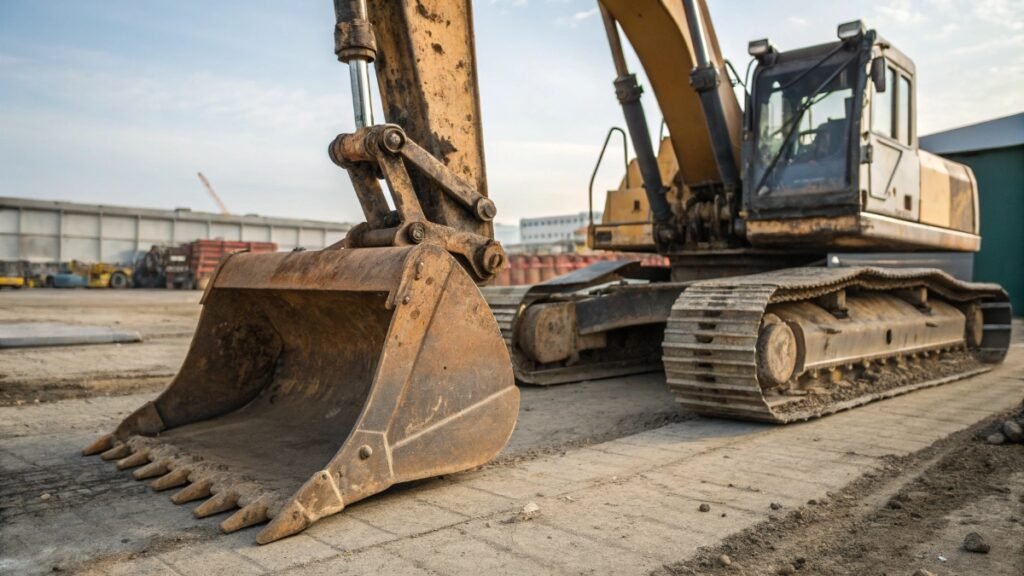
The undercarriage accounts for up to 50% of the excavator’s long-term maintenance cost. Choosing the correct type and condition is essential.
Track Types
- Steel tracks: Best for rough terrain, construction sites.
- Rubber tracks: Best for landscaping, pavement protection.
- Wheeled excavators: Fast travel, ideal for roadwork and cities.
Action Items
- Inspect rollers, idlers, sprockets, and track tension.
- Check for uneven wear—often a sign of alignment issues.
- Choose rubber tracks only for light-duty work.
📌 5. Attachments & Versatility
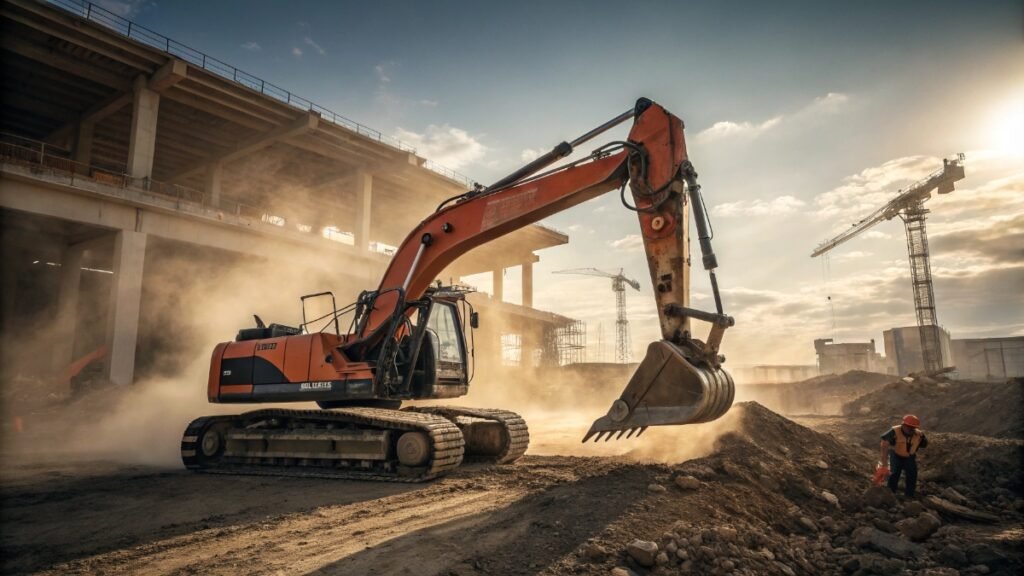
The right attachment can turn one excavator into a multi-purpose machine.
Popular Attachments
- Buckets (tooth, rock, grading)
- Hydraulic breakers
- Thumbs & grapples
- Augers
- Quick couplers
Action Items
- Verify hydraulic compatibility (flow, pressure, return line).
- Choose a quick coupler for faster job transitions.
- Confirm attachment pin size matches your model.
📌 6. New vs Used Excavators
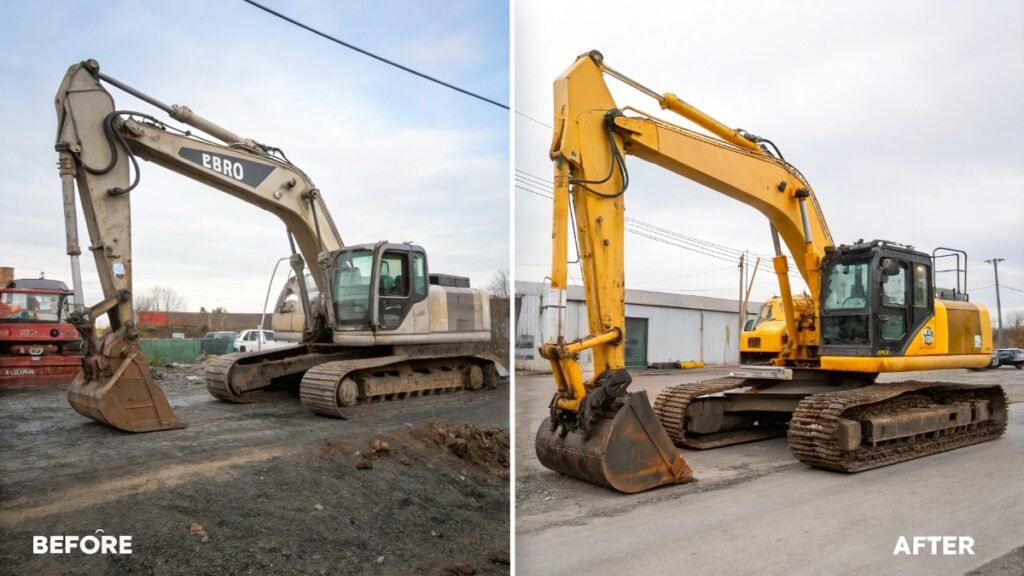
Buying used can save 30–60% of upfront cost, but requires careful inspection.
Pros of New
- Warranty
- Latest fuel-efficient technologies
- Lower maintenance risk
Pros of Used
- Lower purchase cost
- Faster ROI
- More models and options immediately available
Action Items
- Always request maintenance records.
- Check for engine smoke, leaks, and unusual noise.
- Inspect pins, bushings, and undercarriage wear.
📌 7. Test Drive Checklist
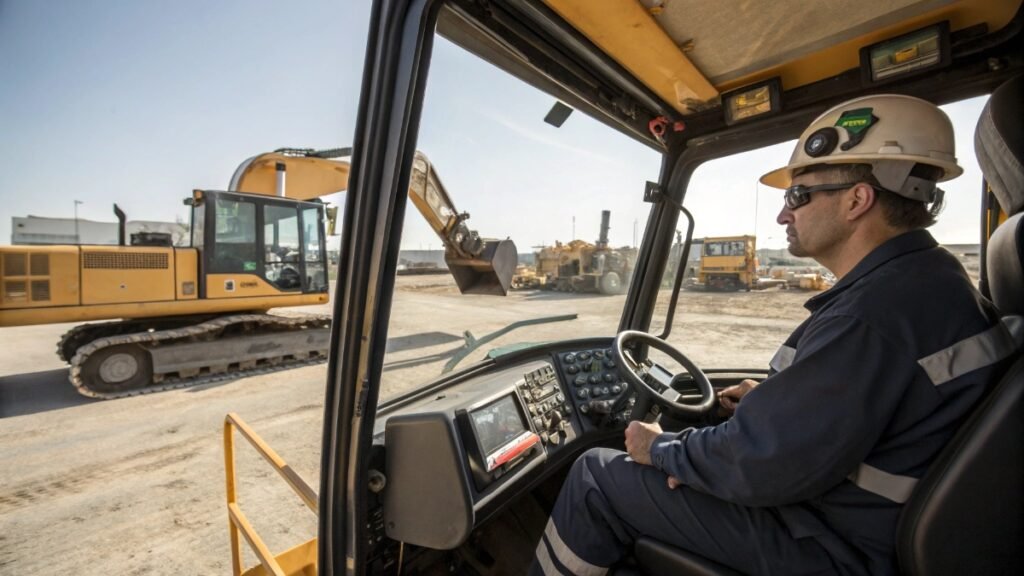
Testing a machine under real working conditions is the best way to evaluate performance.
Test Items
- Engine idle & acceleration
- Hydraulic smoothness & response
- Swing speed & stability
- Travel motors under load
- Noise, vibration, and operator comfort
Action Items
- Perform a full dig-and-lift cycle.
- Operate boom, arm, bucket simultaneously.
- Check attachment change speed (if using quick coupler).
📌 8. Dealer, Warranty & After-Sales Service
A reliable dealer can save you thousands in future maintenance cost and downtime.
What to Check
- Dealer reputation and response time
- Availability of spare parts
- Warranty options
- Technical support & operator training
Action Items
- Ask for parts availability and delivery times.
- Compare warranty terms between brands.
- Choose dealers who offer on-site technician support.
📌 9. Total Cost of Ownership (TCO)
Purchase price is only part of the expense. Long-term operating cost can exceed the original price.
Costs to Evaluate
- Fuel usage
- Maintenance cycles and parts cost
- Resale value
- Insurance and transport
Action Items
- Calculate estimated fuel cost per hour.
- Check market resale value for your chosen model.
- Include annual maintenance in your budget plan.
📌 10. Final Checklist
Before making a final decision, confirm the following:
- Excavator size matches job requirements
- Engine & hydraulic specs meet performance needs
- Undercarriage is in good condition
- Attachments are compatible
- Dealer support is reliable
- TCO is within your budget
Conclusion
Choosing a good excavator requires a balance of job requirements, technical specifications, machine condition, and long-term cost. By following each step and action item in this guide, you can confidently select an excavator that delivers performance, reliability, and value for your business.